


Table of Contents
- Why Bedtime Books Help Anxious Preschoolers Settle
- 1. Monster in My Room! by Beth Costanzo
- 2. Little Duck Feels Nervous by Beth Costanzo
- 3. The Brave Little Crab by Beth Costanzo
- Books About Anxiety for Preschoolers: How to Choose
- Books About Childhood Fears: Matching the Story to the Worry
- Building a Bedtime Routine for Anxious Children
- Bedtime Affirmations for Preschoolers to Pair With Stories
- Frequently Asked Questions
Last Updated: October 19, 2026
Why Bedtime Books Help Anxious Preschoolers Settle
At The Happy Crab Play House, we have watched bedtime books for anxious preschoolers turn a tearful, restless night into a calm one: a story gives a small child something to hold onto when the room goes dark.
Bedtime books are picture books read aloud at night that help a young child name a worry, feel safe, and settle into sleep. They work because the story does the emotional heavy lifting: your child hears another character feel scared, watches that character cope, and borrows the calm.
The trick is choosing the right book for the right fear. Below: our calming picks, how to match a story to a specific worry, and the read-aloud routine that makes it work.
What the Research Says About Stories and Worry
Reading aloud to young children is one of the most studied routines in early childhood, and the broad finding is consistent: shared reading supports language, attention, and emotional understanding. Zero to Three on reading and early brain development notes that the back-and-forth of a story, the pointing, the questions, the pauses, builds both connection and comprehension.
For anxious children, a story lets a preschooler rehearse a scary feeling at a safe distance: the character is the one in danger, not them. That distance makes it possible to practise coping before they need it for real.
1. Monster in My Room! by Beth Costanzo
If your child calls out about shadows and creaks, start here. Monster in My Room! follows a little boy certain something is hiding in his room.

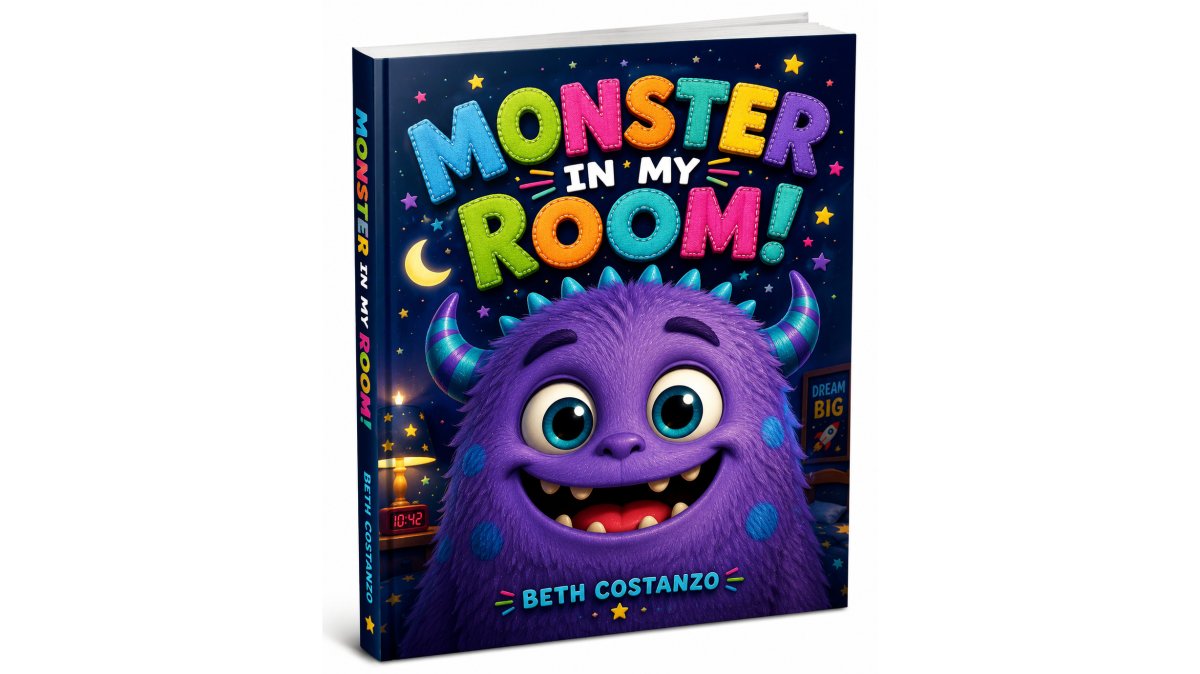
That "grown-ups take worries seriously" beat is the point: a preschooler who is heard learns that fear is something you bring to an adult, not swallow alone.
Ages 2 to 6, and a strong fit for children who resist bedtime or call out in the night.
What Your Child Takes Away
The takeaway is not "monsters aren't real" but "when I am scared, I can look, and the fear gets smaller."
2. Little Duck Feels Nervous by Beth Costanzo
Some preschoolers are not scared of monsters. They are scared of the wobbly feeling itself. Little Duck Feels Nervous gives that feeling a name.

It does not ask a child to stop feeling nervous, it gives permission to feel it and a path through it.
Ages 2 to 6. Best for first days, new places, and the child who worries quietly.
Naming the Wobbly Feeling
A preschooler who can say "my tummy feels wobbly" is not hijacked by a feeling they cannot describe. Naming is the first coping skill.
Pair it with a simple script: "Remember Little Duck? His tummy felt wobbly too, and he still did it." You are handing your child a character to borrow courage from.
3. The Brave Little Crab by Beth Costanzo
For the child facing something new, The Brave Little Crab follows one small crab learning to meet each challenge as it comes and keep going when things get hard.

The message is the one anxious children need most: brave does not mean unafraid.
Ages 2 to 6, and a natural fit for ocean themes, confidence building, and any child facing a change.
Books About Anxiety for Preschoolers: How to Choose
Books about anxiety for preschoolers split into two groups: daytime teaching books that explain emotions, and nighttime settling books that calm a child toward sleep. At 7pm you want the second kind, not a story that revs a wired preschooler up.
Look for four things before a book earns a place in the bedtime basket:
- A named feeling. The story should give the worry a word your child can reuse. "Wobbly tummy" or "fluttery" works better than a vague "sad" because a preschooler can point to it.
- A coping step the character actually takes. The character should do something, check the shadow, take a breath, ask a grown-up, not just feel better by magic. A preschooler copies actions, not conclusions.
- A calm ending. The last two pages should slow down, not spike up. Flip to the end before you commit; if the final spread is loud, bright, or tense, save it for daytime.
Age-Appropriate Books and Bedtime Suitability
Preschoolers aged 2 to 4 need short, gentle stories with clear pictures and a soothing ending. Ages 4 to 6 can handle a little more plot, but the story should still land softly. Match the book to the child in front of you, not the age on the cover.
Flag Potentially Upsetting Content Before Bedtime
Before reading a new book at night, scan it for themes that could intensify a worry rather than settle it:
- Separation or loss. Stories where a character is lost, left, or misses a caregiver can be reassuring in daylight and distressing at bedtime. If your child is in a separation-worry phase, read these during the day and pair them with a short, predictable goodbye at the bedroom door.
- Monsters, shadows, or the dark. A book that resolves a monster fear can still plant the image. Read it once in daylight first so your child knows the ending before the lights go off.
- Loud or tense final pages. A chase scene or a shout on the last spread undoes the wind-down. Choose books whose final image is quiet, a character asleep, a dim room, a soft goodnight.
A simple rule: if a book would make you pause before reading it to a nervous child at 7pm, trust that pause and save it for daytime.
Books About Childhood Fears: Matching the Story to the Worry
Books about childhood fears work best when they mirror your child's worry closely enough that they feel seen, and when the ending models the coping step you want them to try. Here is how to match the story to the worry.
| Bedtime fear | What to look for | Our pick | Watch for |
|---|---|---|---|
| Monsters, shadows, the dark | A character who investigates and finds the ordinary | Monster in My Room! | Read once in daylight first so the ending is known before lights out |
| A nervous tummy, new places | A named feeling and a small brave step | Little Duck Feels Nervous | Best for the quiet worrier; pair with a simple script |
| Big changes, self-doubt | A courage message that normalises fear | The Brave Little Crab | A slightly longer plot; suits ages 4 to 6 best |
| Separation worries | A caregiver who stays close and a predictable goodbye | Look for stories where a character is reassured a caregiver is near | Avoid lost-or-left storylines at bedtime; save for daytime |
| Nightmares and bad dreams | A gentle ending where the character settles back to sleep | Choose books whose final image is quiet and dim | Skip anything with a chase or shout on the last spread |
Fear of the Dark, Shadows, and Monsters
For the child who calls out about shadows and creaks, the book should let a grown-up take the worry seriously and investigate alongside the child. Monster in My Room! does this: the father checks every shadow and sound with his son, and the spooky night turns out to be ordinary. Read it once in daylight first, then reference that ending when the room is dark.
Separation Worries
If your child's fear is separation, look for stories where a character is reassured a caregiver is close by, and pair the book with a short, predictable goodbye at the bedroom door. Save lost-or-left storylines for daytime.
General Worry and the Nervous Tummy
Little Duck Feels Nervous gives the wobbly feeling a name and shows a character taking one small brave step at a time. Pair it with a simple script: "Remember Little Duck? His tummy felt wobbly too, and he still did it."
Big Changes and Self-Doubt
For the child facing something new, The Brave Little Crab carries the message anxious children need most: brave does not mean unafraid. Brave means scared and still going. It suits ages 4 to 6 best.
If your child's worry is persistent and shows up most nights despite a steady routine, a book is a support, not a treatment. Most practitioners suggest talking with your pediatrician if bedtime fear is regularly disrupting sleep for the whole family.
Building a Bedtime Routine for Anxious Children
A bedtime routine for anxious children works when it is the same every night. When a child knows exactly what comes next, the brain stops scanning for threats and starts winding down.
Try this sequence, kept to about 20 minutes:
- Wind-down: dim the lights and put screens away.
- Wash and pyjamas: the same order every night.
- One story: let your child choose from two calming options.
- Talk it out: ask "what was wobbly today?" and listen.
- Lights out: a short, identical goodnight phrase.
Read slowly, pause on the calm pages, and let your voice drop as the story ends. Your child is borrowing your calm as much as the character's courage.
Bedtime Affirmations for Preschoolers to Pair With Stories
Bedtime affirmations for preschoolers work best when they echo the story you just read, a phrase tied to a character lands better than a generic "you are brave."
Say them together, slowly, in the same voice each night. The American Academy of Pediatrics on the importance of reading aloud recommends shared reading as part of a consistent bedtime routine, and pairing a story with a repeated phrase gives your child a portable comfort they can carry into sleep.
A worried preschooler at bedtime is not a discipline problem. At The Happy Crab Play House, every title began in a real preschool classroom, written by an early childhood educator with more than 35 years of experience.
Frequently Asked Questions
What are the best bedtime books for anxious preschoolers?
Look for short picture books that name a feeling and resolve it gently before the last page. Monster in My Room! works well for fear of the dark because a parent investigates the shadows alongside the child. Little Duck Feels Nervous suits children who worry without knowing what to call it. The Brave Little Crab builds confidence through an underwater adventure. All three are written for ages 2 to 6, which covers most preschoolers.
How do I choose an age-appropriate book for a worried preschooler?
Check the stated age range first, then flip through for scary imagery or unresolved tension. A book for a 3-year-old should resolve the worry within the story rather than leaving it open. For bedtime, avoid stories with loud conflict or villains in the final pages. Books about anxiety for preschoolers work best when the character's feeling is named clearly and a trusted adult appears in the story.
Should I read the same calming book every night?
Repetition helps preschoolers because they know how the story ends, and that predictability is part of what calms them. Reading the same book for a week or two is fine. Keep two or three titles in rotation so the routine stays fresh, and let your child choose when they are ready. A familiar story paired with the same bedtime affirmations for preschoolers builds a reliable wind-down signal.
What can I say when my preschooler is scared at bedtime?
Name the feeling first, then reassure without dismissing it. Try: 'You feel scared about the dark. I am right here, and we can check together.' Monster in My Room! models this exactly, with a dad who takes the worry seriously and looks at every shadow with his son. Follow the story with one or two short affirmations, then keep the lights low and your voice steady.
How do bedtime books fit into a routine for anxious children?
Place the story near the end of the routine, after teeth and pajamas, so the last thing before sleep is calm connection. Keep the lights dim and read slowly. A bedtime routine for anxious children works best when the order never changes: bath, pajamas, story, affirmations, lights out. The story does the emotional work; the routine does the predictability work. Together they reduce the call-outs.


